Beyond the Plush: Why High-Quality Stuffed Animals Are Essential Tools for Child Development
Watching your little one carry their favorite plush toy around, pretending to feed them or tuck them in, is more than just an adorable moment.
These cuddly companions are actually essential tools that support a child’s emotional, physical, social, and cognitive growth.As global experts and experienced parents agree, the impact of a high-quality plush toy reaches far beyond entertainment.
Here is how these "transitional objects" help your child flourish.
1. Emotional Well-being and Independence
Stuffed animals provide comfort and security, especially in new or distressing situations. Psychologists refer to these as "transitional objects," which help children manage anxiety—whether it’s a scary visit to the doctor or just the fear of the dark.
Self-Soothing: Plush toys help children relax, which can be particularly beneficial at bedtime, helping them transition into independent sleep.
Reduced Stress: Studies have shown that providing stuffed animals to children during medical procedures, such as vaccinations or surgery, can significantly reduce reported pain and stress.
2. Cognitive Growth and Creative Play
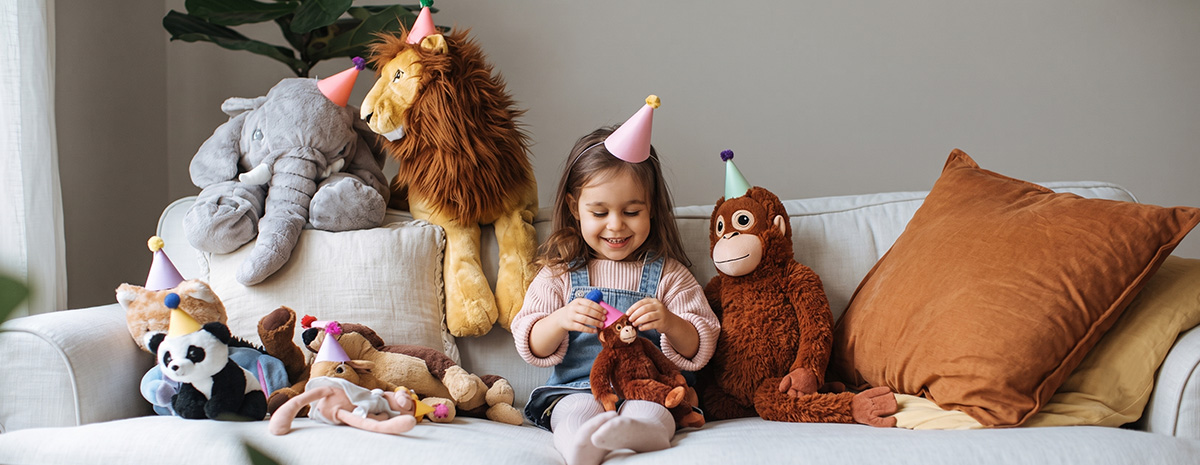
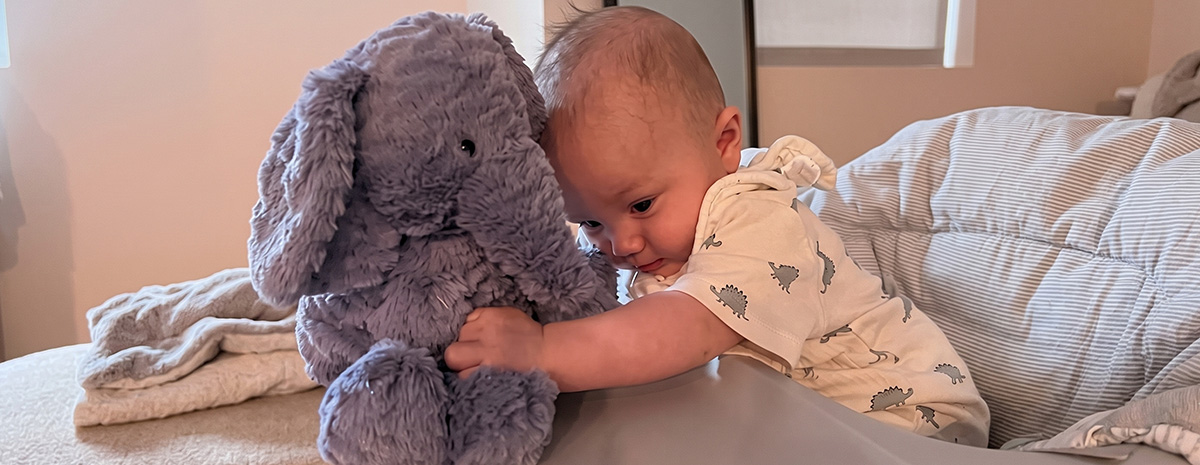
Plushies are perfect companions for pretend play, which is a powerful catalyst for cognitive development.
Problem-Solving: When children role-play—like "doctoring" a sick toy or cooking a meal for their plushies—they are actively developing imagination, creativity, and real-life problem-solving skills.
Language Skills: According to Indiana University, pretend play is vital for vocabulary expansion, literacy skills, and the ability to express complex emotions.
3. Building Developmental Skills
For babies and young children, plush toys serve as interactive tools to build critical physical abilities.
Fine Motor Skills: Babies (around 3 months old) start grasping small plushies, which helps build hand muscles. Older children refine these skills through activities like making clothes for their toys or pretending to feed them, which improves hand-eye coordination.
Object Permanence: Games like "peek-a-boo" or hiding a plushie under a blanket help babies between 6 and 12 months learn that objects continue to exist even when out of sight.
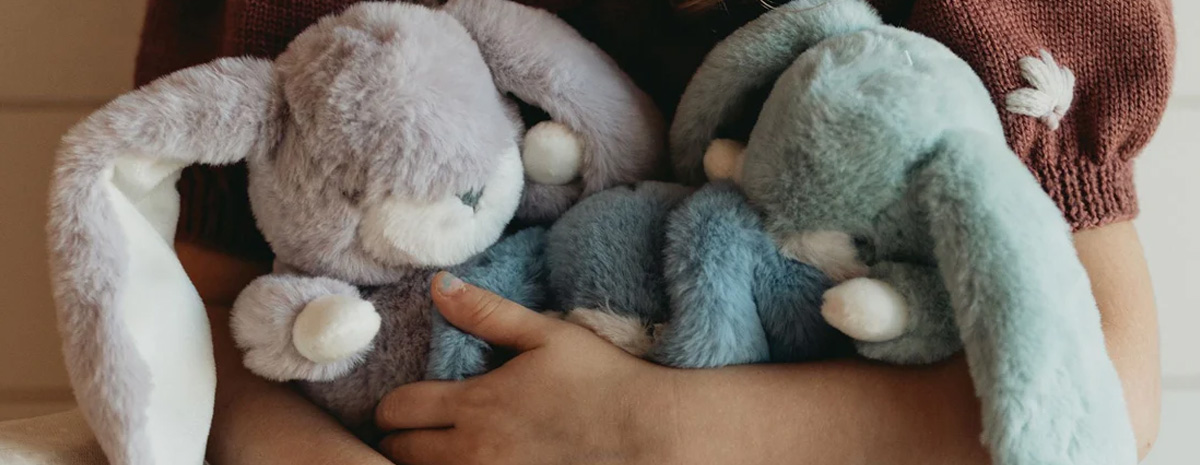
4. Social Intelligence and Responsibility
Through interaction with their stuffed animals, children practice essential social skills.
Cultivating Empathy: By caring for a plushie, children learn to imagine the feelings of others—a key foundation for empathy.
Sense of Responsibility: Taking care of a plush toy—ensuring it is warm or "safe" during a walk—teaches children the basics of responsibility, a trait that translates into how they interact with pets, friends, and family.
Why Quality Matters
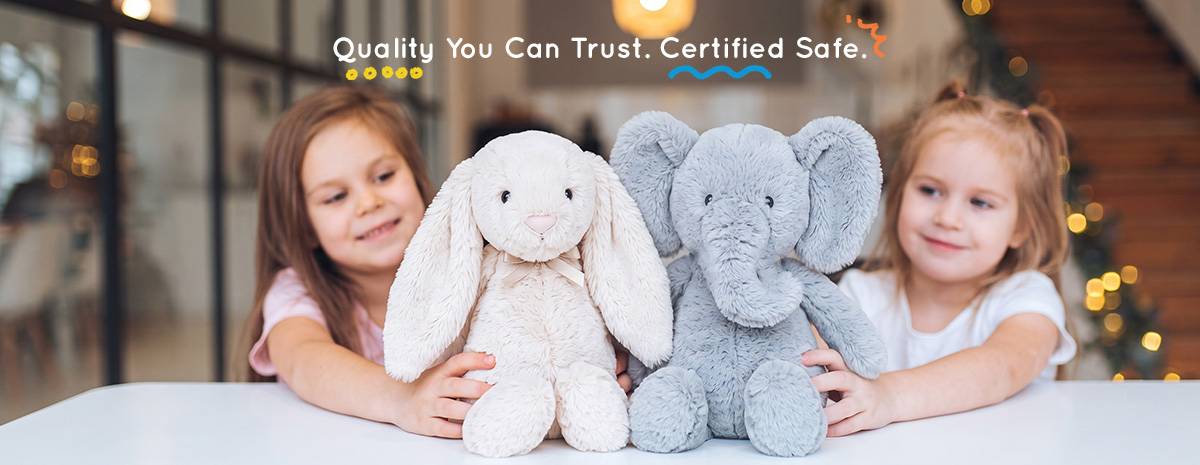
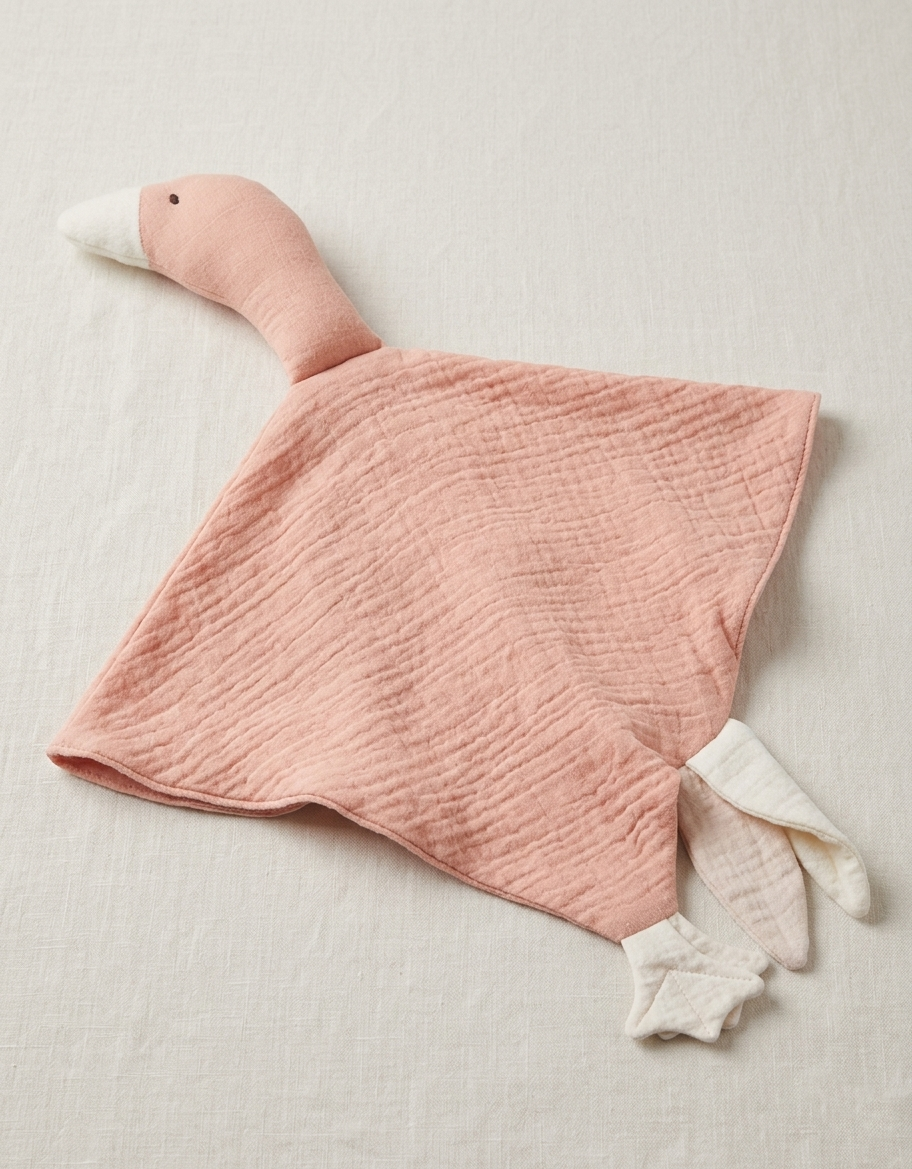
Not all plush toys are created equal. Since these toys are often the most intimate companions for your child, quality and safety are non-negotiable. At Megatex, we design our plush collections with the same rigor used in our premium textile lines. Our toys are crafted from the softest, safest materials to ensure they are:
Safe for Every Stage: Designed for durability and sensory comfort.
Built for Growth: Perfectly sized for little hands to hold and care for.
Ready to Find Your Child's New Best Friend?
Whether you’re looking for a thoughtful gift that sparks imagination or a comforting companion to help your little one sleep through the night, we’re here to help.
Designed for growth. Crafted for comfort. Built to last.